
This post contains affiliate links. We may earn a small commission at no extra cost to you.
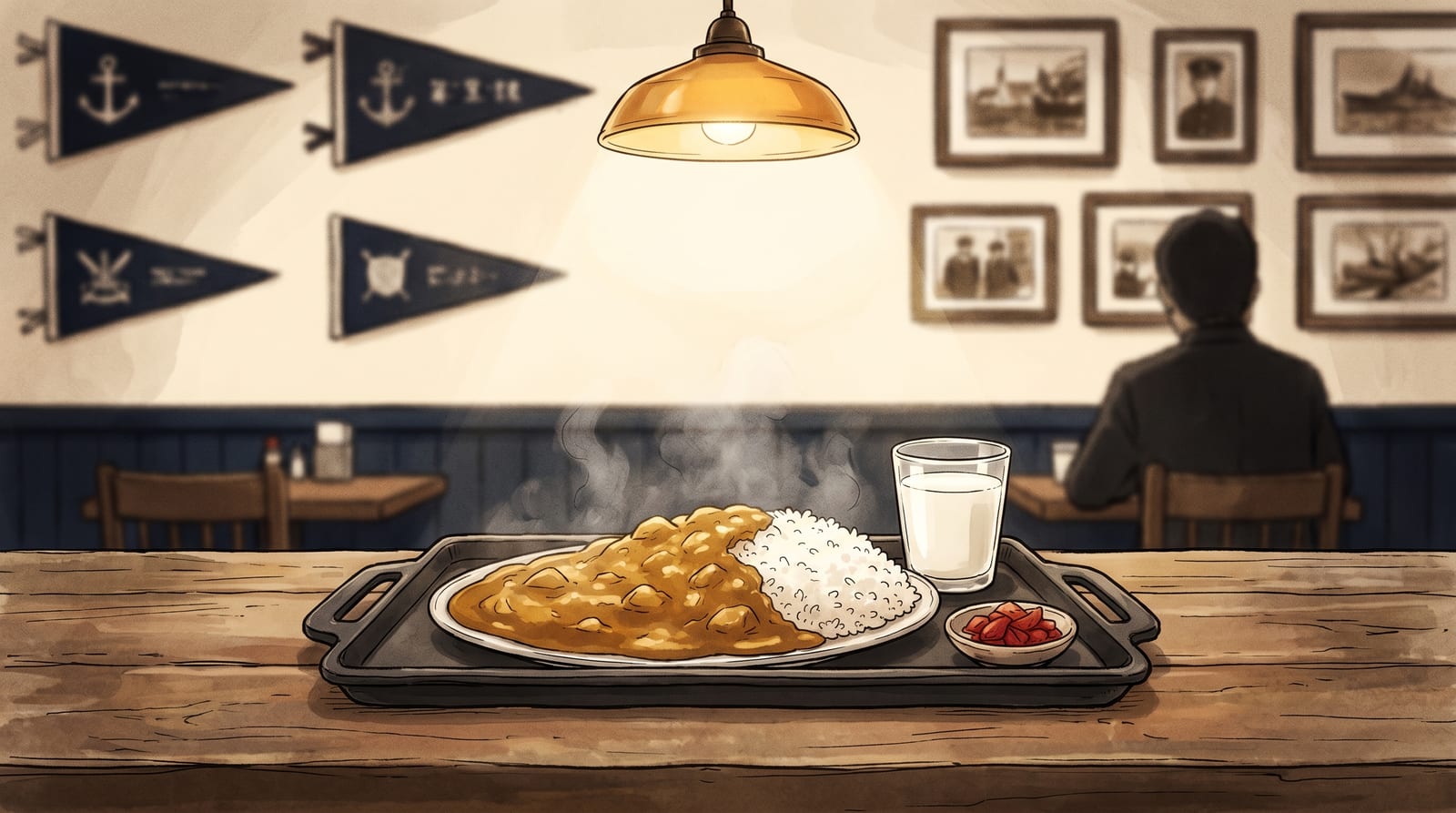
The curry arrives on an iron tray, the same tray design used in the JMSDF submarine's mess — thick, yellow-brown sauce over white rice, and a glass of milk on the side. The recipe was taught to the restaurant by the ship's own supply crew, then tasted and approved by the captain before a single bowl could be sold. Most visitors who eat lunch near the Yamato Museum do not know any of this. They see curry on a menu and order it because it looks good. The story underneath it is considerably more specific.
Most "navy curry" you find around Japan is a theme, not a recipe. Kure's is the opposite: a city-wide certification programme that ties specific restaurants to specific Japan Maritime Self-Defense Force ships, recipe by recipe. We spent time in Kure in May 2026, ate at certified shops, and worked out how the system actually functions. This guide covers what the certification means, which shops are verified, and how to fit a curry lunch into a half-day from Hiroshima.
What is Kure Kaiji Curry and why does it matter?
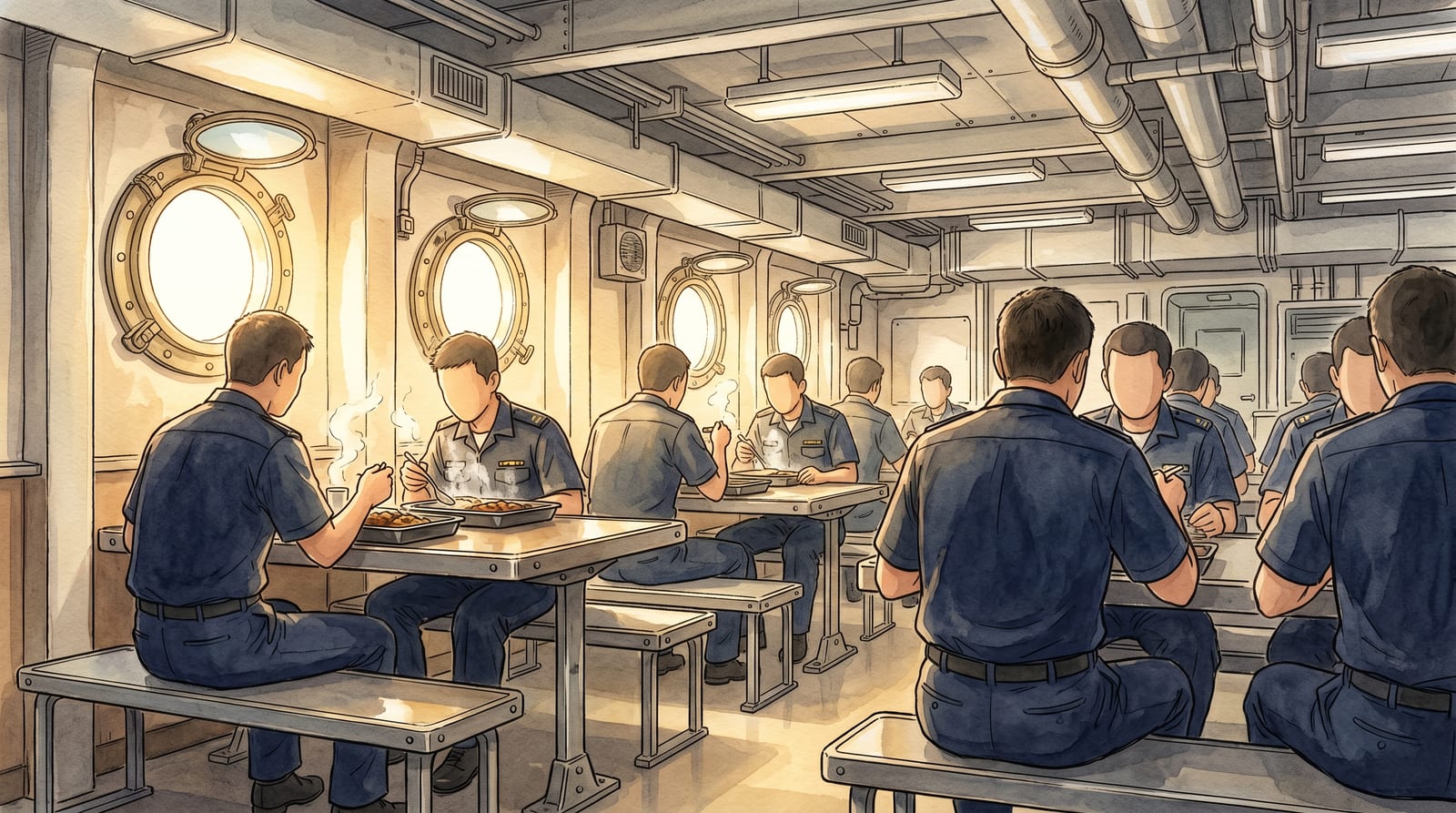
The Kure Kaiji Curry (呉海自カレー) programme is a certification system in which local Kure restaurants serve curry recipes passed directly from specific Japan Maritime Self-Defense Force ships. The process is precise: JMSDF chefs from each vessel teach their recipe to the restaurant kitchen, and the ship's captain must taste-test the result and certify it before it can be put on the menu. A restaurant serving curry they call "JS Sōryū curry" without that certification would simply be lying.
In the current 2026–2027 seal-rally season, 23 certified restaurants participate in the programme (up from 22 the previous year). Each serves a different ship's recipe, so the city has become, in practical terms, a distributed mess hall — you can eat your way through a fleet's worth of curry if you have enough lunches.
The root of the tradition is older than the JMSDF by about a century. In 1884, the Imperial Japanese Navy overhauled its entire mess — replacing polished white rice with barley rice and shifting to a broader Western-style menu — after naval surgeon Takaki Kanehiro demonstrated that the standard rice-heavy diet was causing widespread beriberi. It was the barley rice (麦飯) and the varied protein intake that drove beriberi out of the navy. Curry arrived on that same 1884 reform wave: a British-influenced stew adapted to go over rice, practical to cook in volume, straightforward to serve on board. That is why it stayed.
The Friday curry tradition is a postwar development — and its true origin is more prosaic than the popular story. The custom began as Saturday lunch: Saturday afternoons were a half-day off, and a quick one-pot dish suited the galley crew. Around 1985, when the JMSDF adopted a five-day work week, the custom moved to Friday as the new felt end of the week. The romantic explanation — that crews eat curry on Friday "so they don't lose track of the day of the week at sea" — is, in the words of naval-food historian 高森直史, "something someone made up because it's a fun story." The JMSDF still follows this practice across all ships today.
For Kure specifically, the story is tighter than it is in Yokosuka or other JMSDF ports. Kure was the Imperial Navy's largest arsenal — the yard that built the Yamato and the submarines. The JMSDF base there inherited that identity, and the local curry culture reflects it directly. Secondary sources report that around 2016, Kure city incorporated a child-friendly version of JMSDF curry into the elementary school lunch programme — though this awaits confirmation against a Kure City primary source.
How do I get to the Kure naval curry district from Hiroshima?
The highest concentration of certified shops sits in and around Takaramachi and the Naka-dori arcade area — a roughly 5-7 minute walk south from JR Kure Station toward the waterfront. This is the same district as the Yamato Museum and the JMSDF Kure Museum (Tetsu no Kujira), so the logistics are identical to the museum visit.
By train (recommended)
The JR Kure Line runs from Hiroshima Station to Kure Station. Rapid trains take about 35 minutes; local trains take about 50 minutes. The IC card fare is about ¥510 each way. Trains depart every 20–30 minutes during the day.
A JR Pass is not worth it for the Hiroshima–Kure trip alone — the single IC fare is about ¥510 each way. If Kure is part of a wider Japan itinerary that includes Shinkansen travel, Japan Rail Pass can still be the most economical way to bundle everything, but do the math before buying.
By ferry (scenic alternative from Peace Park area)
Setonaikaikisen operates a passenger ferry from Hiroshima Port to Kure Chuo Sanbashi. Journey time is approximately 45 minutes, fare approximately ¥1,100 for adults. The main restaurant district is a short walk from the pier. If you're starting from the Peace Park rather than Hiroshima Station, this is worth considering.
By bus
Hiroshima Bus runs limited-express coaches from Hiroshima Bus Center to Kure Station Bus Terminal. Journey time is approximately 55 minutes. Less frequent than the train; useful if you're starting from central Hiroshima without easy access to the JR station.
By car
The Hiroshima-Kure Expressway connects the cities in about 40 minutes of driving. Street parking is limited in the Takaramachi area; use the paid lot adjacent to the Yamato Museum (about 65 spaces at ¥100 per hour). The Marine Building parking (where Kure Haikara Shokudou is located) has its own paid multi-storey lot at ¥100 per 30 minutes.
Guided alternative
If you'd rather not handle the logistics independently, GetYourGuide Kure day tour runs private day tours from Hiroshima that include round-trip transport, an English-speaking guide, and typically a lunch stop in the Kure museum district.
What is the Kure Kaiji Curry certification process?
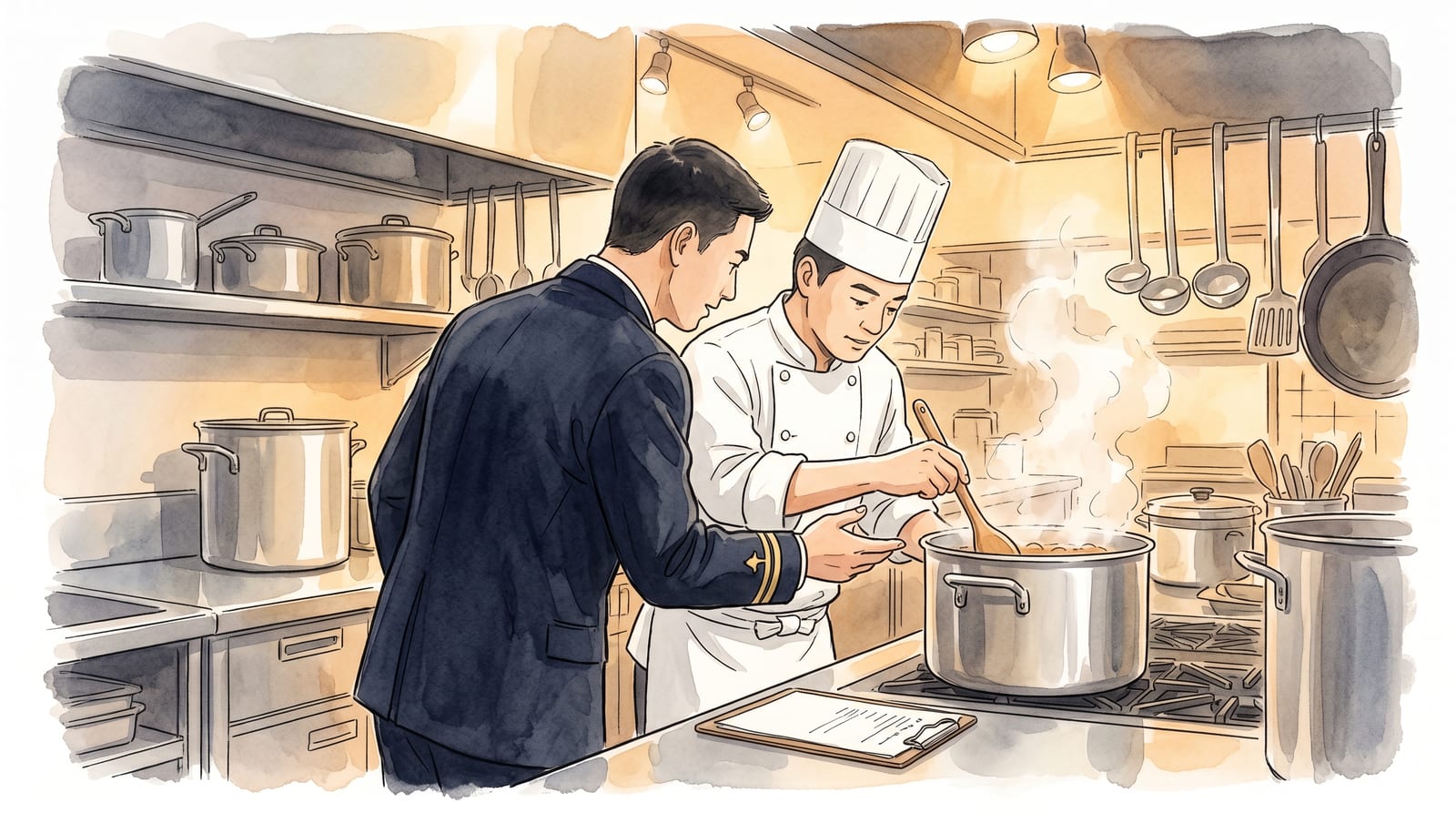
The certification process is what separates the Kure Kaiji Curry network from ordinary naval-themed restaurants:
- The restaurant approaches the programme or is recruited by the Kure Kaiji Curry Business Association (呉海自カレー事業者部会).
- JMSDF supply personnel from the designated ship visit the restaurant kitchen and teach the recipe — including the specific seasoning balance and technique used on board.
- The restaurant prepares the curry to the recipe. The ship's captain tastes the result.
- Only if the captain certifies that it matches the shipboard version does the restaurant receive official accreditation to serve and market it as that ship's curry.
This means that if you order JS Sōryū curry at a certified restaurant, you are eating something that has been tasted and signed off by the commanding officer of an active or recently-active submarine.
Each participating ship maintains its own distinct recipe, which is why the curries differ meaningfully across restaurants. Some are rich with beef, others use pork, chicken, or seafood; spice levels range from mild (JMSDF crews tend to eat mild-to-medium to avoid digestive complaints on extended deployments) to moderately hot. The certified recipes are not published publicly — they remain each vessel's proprietary formula.
Which certified shops should I visit?
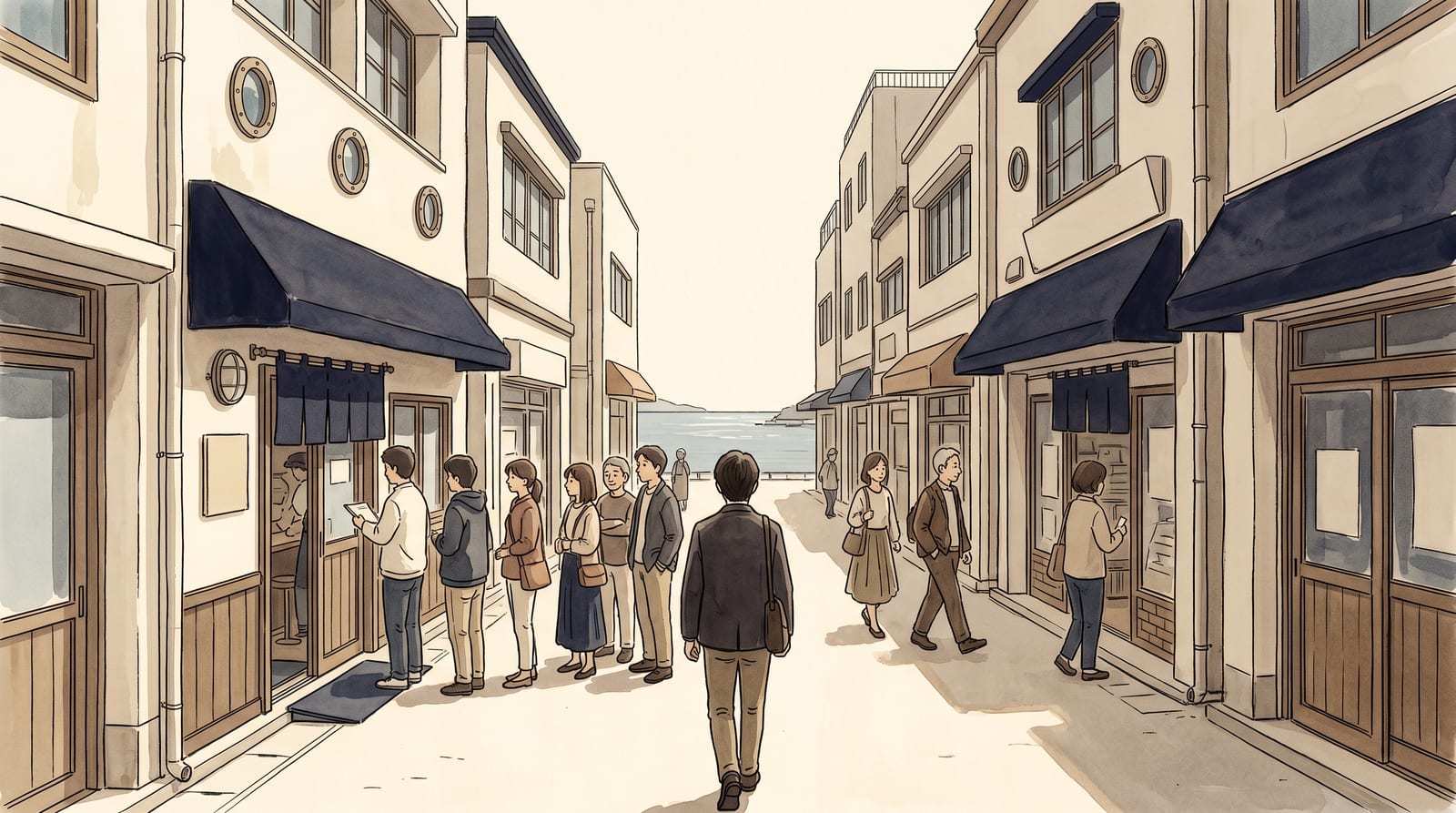
The full current list of certified restaurants, including a map and the ship each serves, is in the free JMSDF KURE Curry Guidebook available at the Kure Tourist Information Plaza (one minute from JR Kure Station) and on the official site kure-kaijicurry.com. Below are the shops we can confirm with verified sources. Every other shop should be checked against the current guidebook — the network changes as ships are commissioned or decommissioned.
Kure Haikara Shokudou (呉ハイカラ食堂) — JS Sōryū recipe
The best-positioned certified shop for museum visitors. At 4-21 Takaramachi, Marine Building No. 3, 2F, it is approximately 0.1 km (1–2 minutes) from the Yamato Museum entrance and a 6-minute walk from JR Kure Station's Minato Exit.
The flagship dish is the Sōryū Teppan Curry — the certified recipe from the Sōryū-class submarine JS Sōryū, taught directly by the submarine's supply crew and certified by its captain. It arrives on an iron teppan tray modelled after the trays used in the submarine mess, with the curry sauce, rice, a glass of milk (standard naval issue), and pickled vegetables.
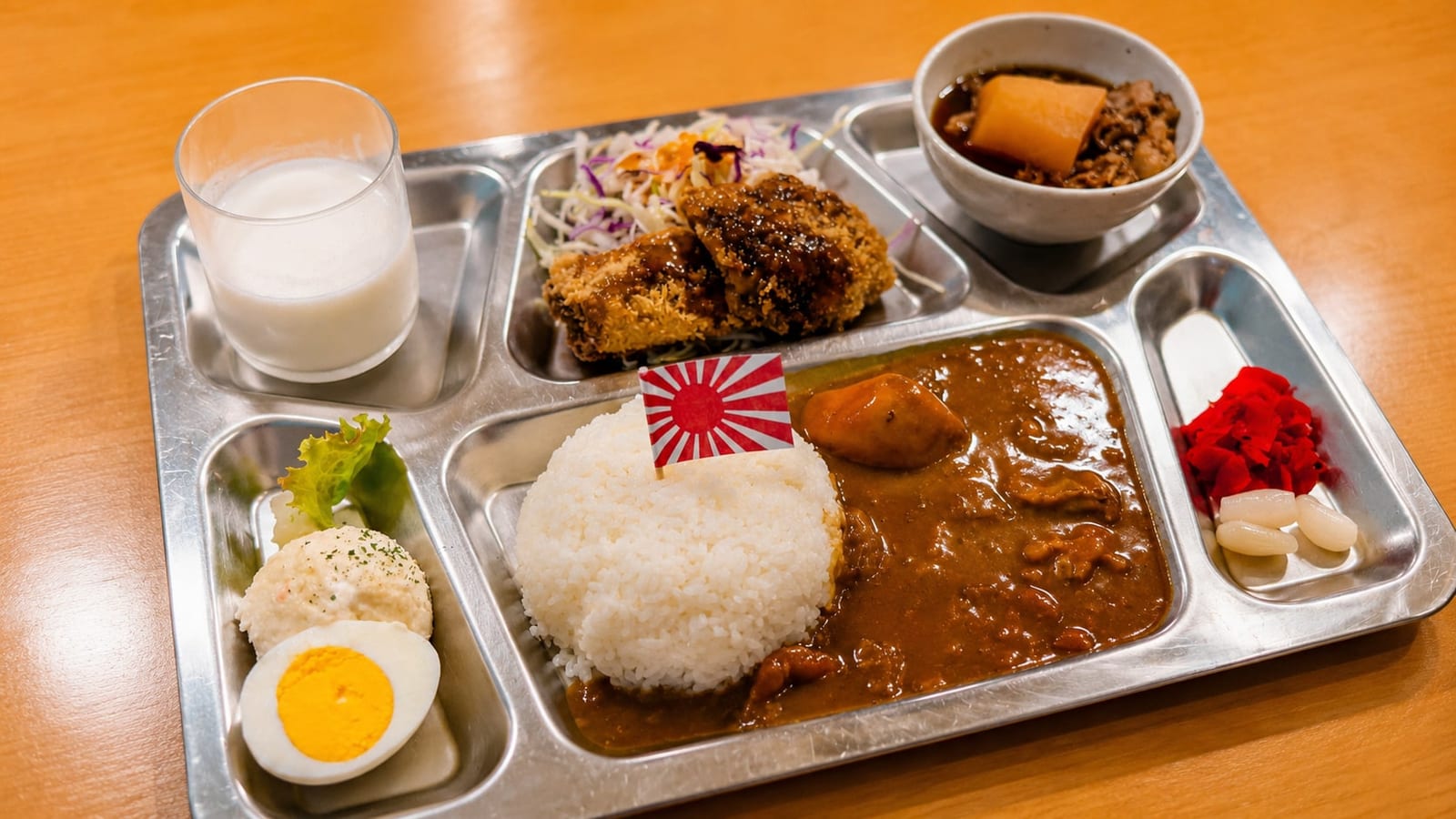
Hours: 11:00–15:30 (last order 15:00) Closed: Tuesdays Payment: Cash is the safest assumption; card acceptance is inconsistent at the older Takaramachi shops.
A note on timing: the Sōryū Teppan Curry is prepared in limited quantities each day. Arriving before noon or after 1:30 PM reduces the chance of finding the flagship item sold out. The restaurant is popular on weekends; expect a short queue.
The menu also includes multiple curry variants at different price points:
- Sōryū Teppan Curry (flagship): ¥1,650
- Submarine Teppan Curry: ¥1,600
- Iron Whale Curry: ¥1,300
- Submarine Cheese Curry: ¥1,150
- Submarine Egg Curry: ¥1,100
- Submarine Curry (entry level): ¥980
The interior is styled around submarine aesthetics, with naval memorabilia and a 1:30 scale Yamato battleship model built by JMSDF personnel.
Minato Machi Coffee Ten (港町珈琲店) — JS Kuroshio recipe
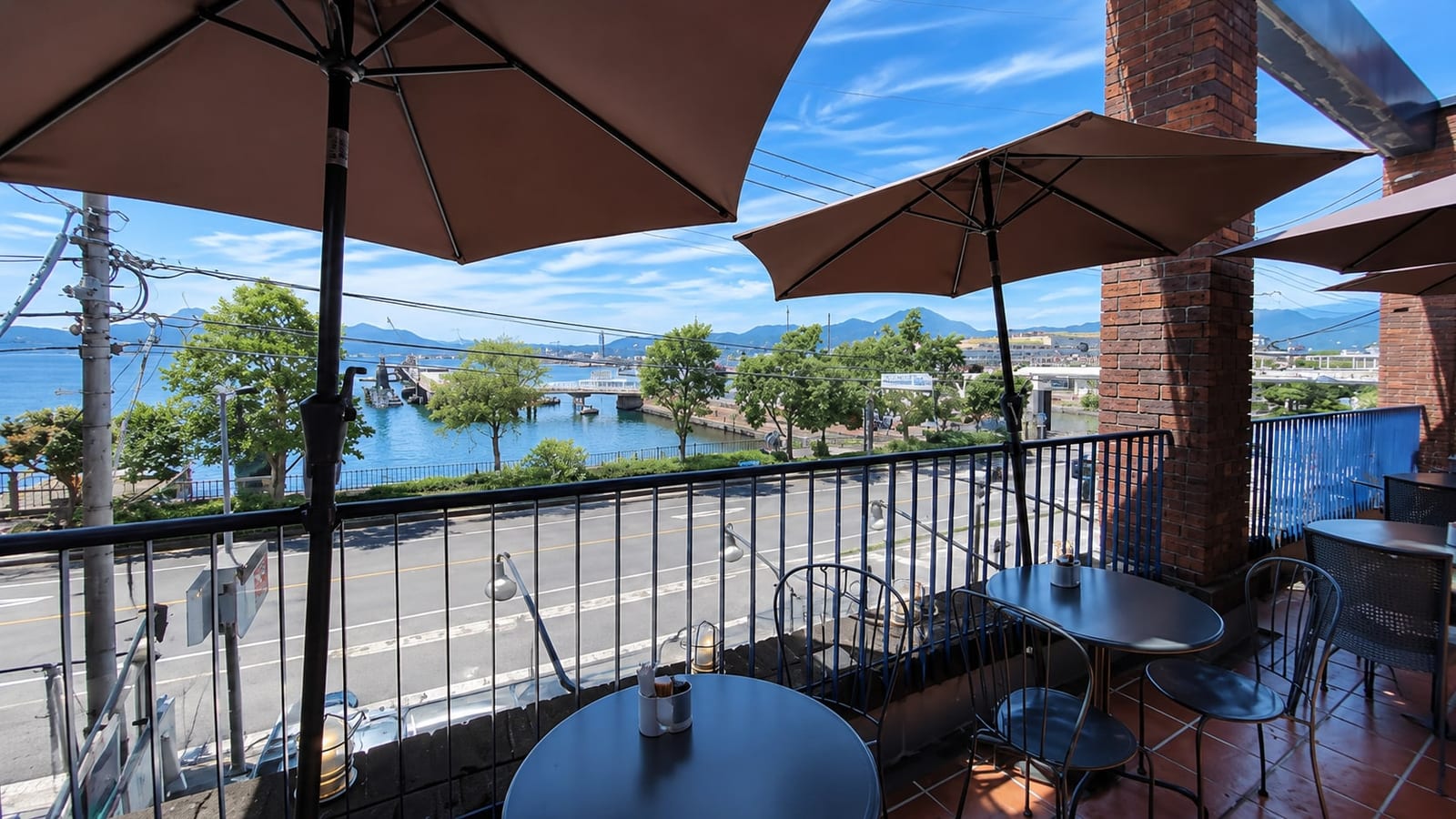
A registered Kure Kaiji Curry café at 6-17 Shōwachō (2F, above the 7-Eleven), facing the JMSDF submarine pier. The shop serves a soft beef curry from the recipe of the submarine JS Kuroshio, described as a lighter Hiroshima-influenced style. Depending on the day, you can see JMSDF submarines through the window seating.
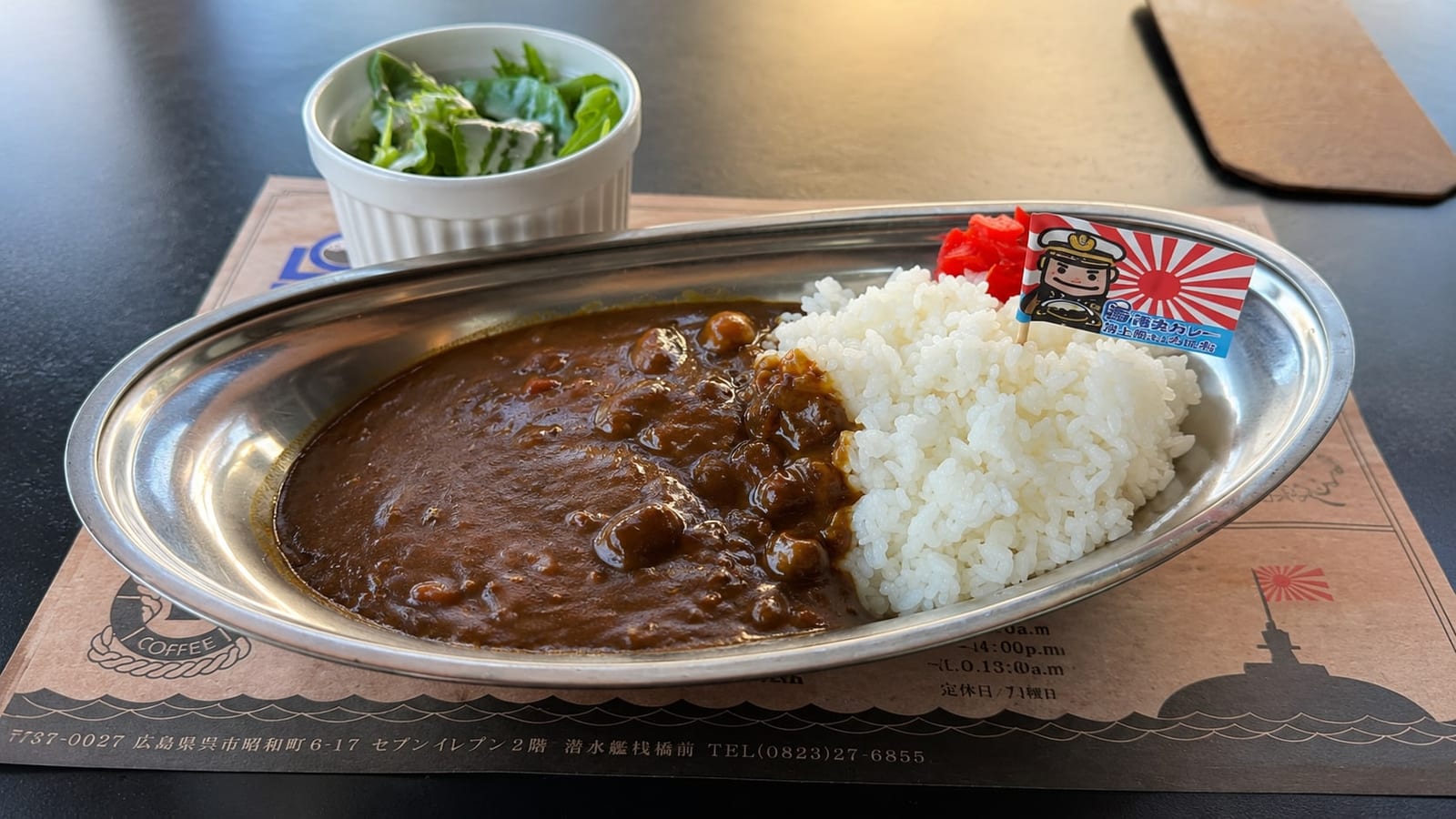
Hours: 11:00–18:00 (last order 17:30); Sundays from 8:00 Closed: Tuesdays Distance from Yamato Museum: About 15–20 minutes on foot — it is in Shōwachō, a different district from the Takaramachi museum cluster, so it is not a quick walk from the museums (better paired with Kure Station, about 5 minutes by bus).
This is a better choice if you've already had lunch and want coffee with a harbour view, or if you want a lighter curry than the Teppan format. The self-roasted coffee is the main draw outside the curry lunch hours.
Akishio Curry — On-site at JMSDF Kure Museum (Tetsu no Kujira)
Not part of the Kure Kaiji Curry certification network but worth including for convenience: the museum café inside the JMSDF Kure Museum serves the Akishio Curry — a submarine-shaped rice mound in curry sauce, designed and approved by the 10th commanding officer of the JS Akishio. It is an inexpensive light-lunch option rather than a full sit-down meal. Last orders at 5:00 PM; cash only.
Other verified certified shops
The following shops have been confirmed in secondary research as Kure Kaiji Curry network members. Hours and vessel assignments should be verified against the current guidebook before visiting, as the network changes:
- Izakaya Tone Honten (居酒屋利根本店) — at 本町2-2 (Honmachi), serving the certified recipe of the JMSDF escort ship JS Tone (護衛艦とね) as "Escort Ship Tone Curry" (¥980). Evening izakaya, open 17:00–23:00, closed Wednesdays. Cash is safest; confirm at the door.
- Coffee House Côte d'Azur at the Clayton Bay Hotel (1F) — certified for the recipe of the escort ship JS Ise (護衛艦いせ). The hotel runs separate certified curries for other vessels; confirm hours and whether a reservation is needed before visiting.
For the complete current list of all 23 certified shops, collect the free guidebook at the Kure Tourist Information Plaza (one minute from JR Kure Station) or visit kure-kaijicurry.com. The 2026 seal-rally guidebook is the most current printed source; the website updates with the new season each April.
The stamp rally: eating through the fleet
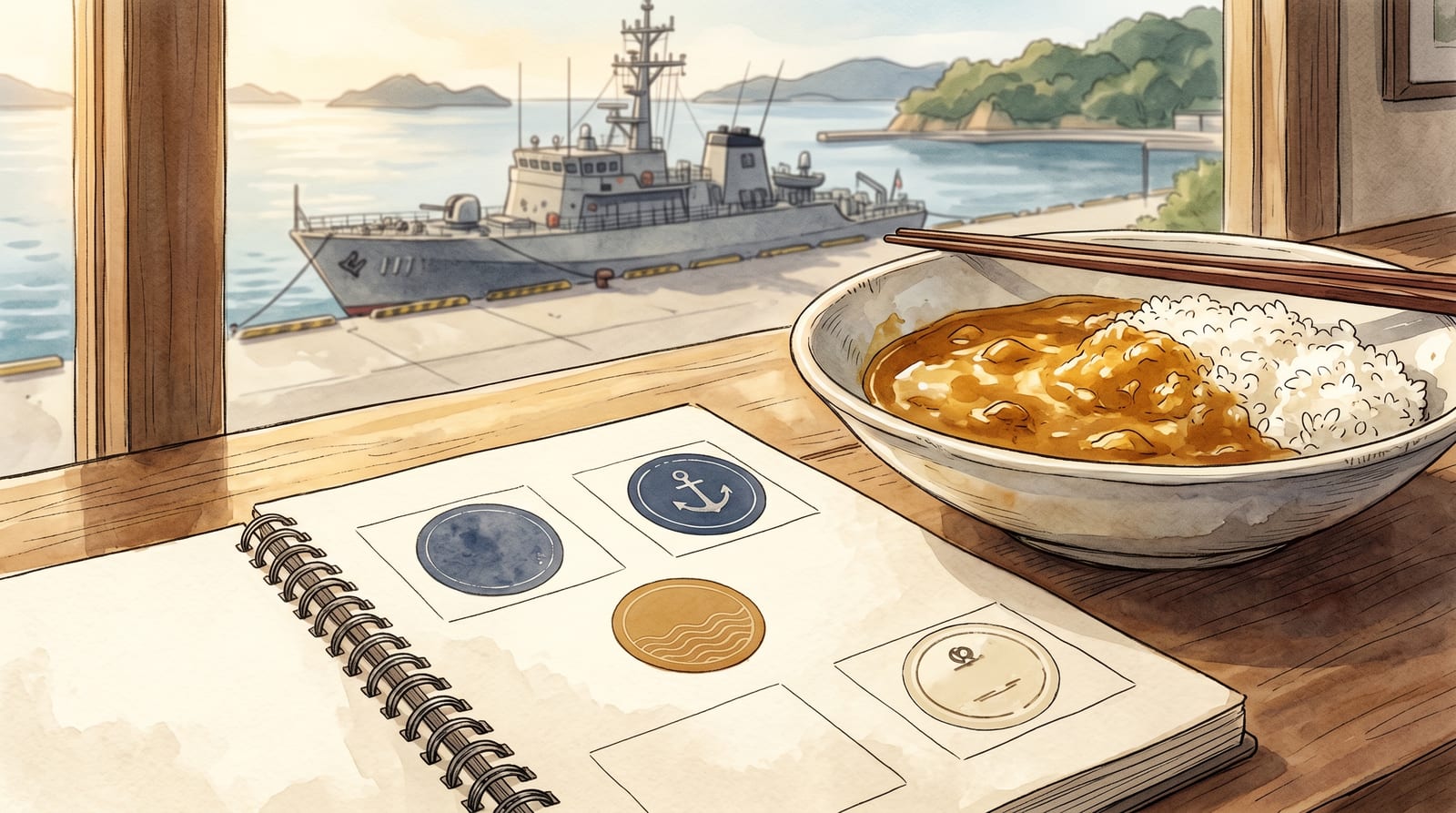
The seal rally (シールラリー) is one of the better-designed food tourism mechanics in the Hiroshima region. Each time you order the certified curry at a participating restaurant, you receive a sticker from that restaurant. Collect enough stickers and you can claim prizes at the programme office.
The current 2026–2027 rally runs from April 1, 2026 to March 31, 2027, with collected seals redeemable for prizes at the Kure Tourist Information Plaza until 19:00 on April 2, 2027. A new season begins April 1 each year. Pick up the guidebook at the Kure Tourist Information Plaza when you arrive — it functions as both the map and the sticker sheet.
For visitors on a single half-day, eating at two shops is realistic. A dedicated multi-day curry crawl — covering eight to ten certified shops — is possible over a long weekend, though note that most shops are closed Tuesdays and some keep limited lunch-only hours.
The souvenir option: retort curry pouches
You do not need to eat a full sit-down lunch to take the Kure Kaiji Curry experience home. Retort pouches of certified naval curry are sold at:
- The Yamato Museum shop (ground floor, near the exit)
- The JMSDF Kure Museum (Tetsu no Kujira) entrance area
- Various souvenir shops in the Takaramachi area
Several ship-recipe varieties are typically available, usually priced as inexpensive supermarket-style retort pouches. They require no refrigeration and fall within the 100ml liquid restriction for carry-on luggage, though confirm the weight with your airline for international flights.
Practical tips for eating in the Kure museum district
Timing and queues
Lunch hour — roughly 11:30 to 13:30 on weekends — is the busiest window at the Takaramachi curry shops. Kure Haikara Shokudou in particular draws a consistent queue on Saturdays and Sundays. Arriving just before opening at 11:00 is the most reliable way to secure the limited-quantity flagship dishes.
On weekdays, waits are rare outside school holidays.
Cash
Most certified shops in the Takaramachi area are cash-only or have limited card acceptance. ATMs accepting foreign cards are at the 7-Eleven near the museum district and at the Japan Post ATM at Kure Station. Bring at least ¥2,000–3,000 in cash for lunch.
Language
Menus at the older certified shops are in Japanese, but most have photographs of each dish. Point and order. Staff at Kure Haikara Shokudou can typically handle basic English food orders. The Akishio Curry at the JMSDF museum café is the most tourist-accessible option if language is a significant concern.
Closed days
Both Kure Haikara Shokudou and Minato Machi Coffee Ten close on Tuesdays. The Yamato Museum and Tetsu no Kujira also close on Tuesdays. Do not plan a curry-and-museum day for Tuesday.
Stay connected
If your phone plan doesn't include data in Japan, pick up a Klook Japan eSIM eSIM before your trip. The seal-rally guidebook has a map, but Google Maps is useful for finding smaller shops in the arcade area.
How does Kure naval curry fit into a full day from Hiroshima?
Lunch at a certified shop sits naturally between the morning Yamato Museum visit and the afternoon Tetsu no Kujira museum — all three are within a roughly 5-minute walking radius of each other.
Curry Focus
Two certified shops, Takaramachi area only
- Depart Hiroshima Station, JR Kure Line rapid
- Arrive Kure Station — collect curry guidebook at Tourist Information Plaza
- Kure Haikara Shokudou (arrive early for flagship Teppan Curry)
- Walk to second certified shop or retort-pouch shopping at museum shops
- Return train to Hiroshima
- Back in Hiroshima
Best Balance Recommended
Both museums + certified curry lunch
- Depart Hiroshima Station
- Arrive Kure — Yamato Museum opens 9:00 AM
- Yamato Museum (English Sunday tour at 9:00 if visiting Sunday)
- Walk to Kure Haikara Shokudou (1–2 min from museum)
- JS Sōryū Teppan Curry lunch
- JMSDF Kure Museum (Tetsu no Kujira)
- Retort-pouch souvenir shopping at museum shops
- Return train to Hiroshima
- Back in Hiroshima
Deep Kure
Multi-shop stamp rally + Haigamine sunset
- Day 1: Museums in the morning, Kure Haikara Shokudou at noon, Tetsu no Kujira in the afternoon. Evening: dinner at Izakaya Tone Honten (護衛艦とね recipe, from 17:00, closed Wednesdays). Mt. Haigamine for the night view — one of the "Three Great Night Views of Chugoku and Shikoku."
- Day 2: Morning: more certified shops from the stamp-rally map (Coffee House Côte d'Azur at the Clayton Bay Hotel for the JS Ise recipe). Afternoon: ferry to Etajima or Tobishima island chain.
- Stay: Kure Hankyu Hotel is a convenient base near the station and museum district — compare options via Rakuten Travel Kure hotels.
How does Kure naval curry differ from Yokosuka naval curry?
Visitors researching Japanese naval curry often find information about Yokosuka Kaigun Curry first — Yokosuka, as the former headquarters of the Imperial Navy's Combined Fleet, has an older brand identity and is closer to Tokyo. The two are worth distinguishing:
| Kure Kaiji Curry (呉海自カレー) | Yokosuka Kaigun Curry (横須賀海軍カレー) | |
|---|---|---|
| Focus | JMSDF ship-specific recipes, each certified by a serving captain | Imperial Japanese Navy historical recipe, standardised circa 1908 |
| Certified shops | 23 participating restaurants (2026–2027) | 40+ (see yokosukacurry.com for the current list) |
| Recipe origin | Active or recent JMSDF vessels; changes as ships are commissioned | 1908 Kaigun Kappō Jutsu Sankōsho recipe (compiled by the Maizuru naval corps, not Yokosuka; digitised by Maizuru City in 2020); standardised across Yokosuka-certified shops |
| Comes with | Typically milk, pickled vegetables, side dishes (varies by shop) | Milk is mandatory (the 1908 recipe specified milk as a standard accompaniment) |
| Setting | Active JMSDF base city; submarine museum adjacent | Former IJN headquarters city; USS Kitty Hawk memorial |
| Best for | Visitors to Hiroshima/Kure combining history with current JMSDF culture | Visitors near Tokyo wanting the classic historical version |
Neither is the "authentic" version — they're different things. Kure's is tied to the living JMSDF; Yokosuka's is a historical recreation. On the question of which city invented naval curry: culinary historian Kosuge Keiko (小菅桂子) has stated she knows of no records of military-curry eateries in either Yokosuka or Kure during the Meiji or Taishō era. The oldest documented naval curry recipe — "カレイライス" — appears in the 1908 Kaigun Kappō Jutsu Sankōsho (Naval Cookery Reference Book), compiled by the Maizuru naval corps, not Yokosuka or Kure. Yokosuka's "Curry Town" brand launched in 1999; Kure's certification programme in 2015. Yokosuka's own official site is careful: it brands the city as the place curry was spread from (発信の地) via demobilised sailors, not the place it was invented. The birthplace question is, honestly, unresolved — and worth keeping in mind when reading any Japanese naval food-origin story (Kure and Maizuru run an almost identical dispute over nikujaga , with both city claims invented in the 1990s for town-revival purposes). Nobody owns it.
If you are in Hiroshima, Kure is the obvious choice regardless of who "started" what. The 35-minute train ride is the same one that takes you to the Yamato Museum.
History context: From beriberi cure to cultural institution
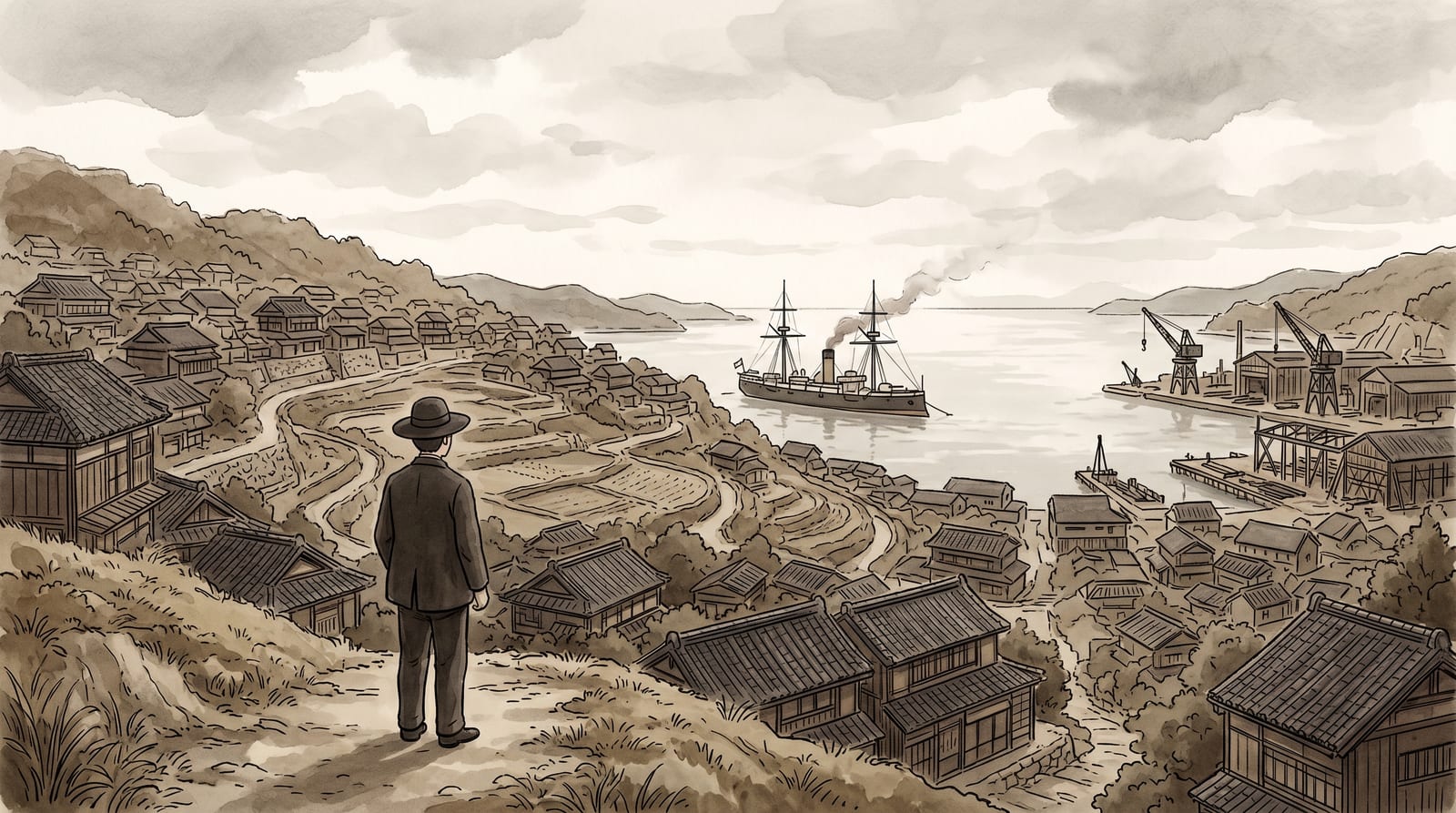
The reason curry landed in the Imperial Japanese Navy rather than the army comes down to a single officer.
Naval surgeon Takaki Kanehiro (1849–1920) observed in the 1870s and 1880s that beriberi — a thiamine deficiency disease causing nerve damage and heart failure — was devastating the navy's crews. The army dismissed the problem as infectious. Takaki recognised it as dietary. The standard naval diet was polished white rice, which, unlike unpolished rice, contains no thiamine.
Takaki's solution was barley rice (麦飯) — substituting the polished white rice with a barley-mixed variety — combined with protein-richer Western-style dishes, drawing on what he had observed of the British Royal Navy's provisioning during training in London. Curry entered the naval mess as part of that 1884 reform: a stew that bridged British culinary structure with the rice that sailors would not abandon. It was not the cure for beriberi — the barley was — but it arrived on the same wave, proved useful for large-batch cooking on board, and outlasted the crisis that brought it in.
Beriberi cases in the navy collapsed. The army's did not, for years, because the army refused to accept the dietary explanation. The causal chain is documented at each step. The beriberi crisis drove Takaki's dietary reform in the 1880s; curry entered naval rations in 1884 on the same wave — a practical one-pot dish suited to large-batch shipboard cooking, not the cure itself, but a passenger on the same reform. It embedded in naval routine, and when the JMSDF adopted a five-day week around 1985, the custom migrated from Saturday to Friday. The dish entered as a nutritional by-product and became an institution.
By the postwar era, the JMSDF had inherited the tradition and expanded it. Each ship's cook developed the recipe to the specific preferences of that crew — the type of meat, the vegetable balance, the spice profile. Captains began taking pride in their ship's version. When Kure city formalised this into a certification programme in 2015, it captured something that was already happening naturally in the JMSDF culture: curry as institutional identity.
Secondary sources report that around 2016, Kure city began incorporating a child-friendly version of JMSDF curry into elementary school lunches — the kind of detail that blurs the line between institutional and everyday. For visitors, this is military-themed tourism. For a Kure elementary schooler, it was just lunch.
FAQ
What is Kure Kaiji Curry (呉海自カレー)?
Kure Kaiji Curry is a certification programme in which local Kure restaurants serve curry recipes passed directly from specific Japan Maritime Self-Defense Force ships. JMSDF chefs from each vessel teach their exact recipe to the restaurant kitchen, and the ship's captain must taste and approve the result before the restaurant can sell it as that ship's curry. In the current 2026–2027 season, 23 certified restaurants participate (up from 22 the previous year).
Why does the JMSDF serve curry every Friday?
The widely repeated explanation — that JMSDF crews eat curry every Friday "so they don't lose track of the day of the week" at sea — is a popular embellishment, not the historical reason. The practice began as Saturday lunch: Saturday afternoons were a half-day off, so a quick one-pot dish suited the galley. Around 1985, when the JMSDF adopted a five-day working week, the custom shifted to Friday as the new end of the week. The JMSDF's official materials on the "curry secret" (カレーの秘密) tie the Friday custom to this postwar work-week change, not to any navigational mnemonic. Naval-food historian 高森直史, who has studied the topic at length, calls the day-tracking story something "someone made up because it's a fun story — and it snowballed." The weekly curry is still standard across the JMSDF and shows no sign of changing. The story behind it is just more prosaic than the legend.
Is Kure naval curry vegetarian or allergen-friendly?
Most certified shops do not advertise vegetarian or allergen-labelled options, and standard naval curry recipes are meat-based (beef, pork, or chicken). Visitors with specific dietary requirements should contact shops directly before visiting or ask at the Tourist Information Plaza.
Which certified shop is closest to the Yamato Museum?
Kure Haikara Shokudou (呉ハイカラ食堂) at 4-21 Takaramachi, Marine Building No. 3, 2F — approximately 0.1 km (1–2 minute walk) from the Yamato Museum. Open 11:00–15:30 (last order 15:00), closed Tuesdays.
Can I take Kure naval curry home as a souvenir?
Yes. Retort pouches of certified naval curry are sold at the Yamato Museum shop and the JMSDF Kure Museum (Tetsu no Kujira) entrance area. No refrigeration required; the shelf life is typically several months.
Is the stamp rally still running in 2026?
The current 2026–2027 seal rally runs from April 1, 2026 to March 31, 2027, with prizes redeemable at the Kure Tourist Information Plaza until 19:00 on April 2, 2027. A new rally season begins April 1 each year. Check kure-kaijicurry.com for the current season's participating shops, maps, and prize details before your visit.
How does Kure naval curry differ from Yokosuka Kaigun Curry?
Kure's version is tied to the living JMSDF: each certified recipe comes from a currently-deployed or recently-active vessel, certified by that ship's captain. Yokosuka's version is a historical recreation of the Imperial Japanese Navy's standardised 1908 recipe. Both are served with milk, which was part of the original naval nutrition standard. Neither is inherently "more authentic" — they document different eras of the same tradition.
Related guides
More in our Kure series:
- Best day trips from Hiroshima — the regional shortlist, with Kure on it for the curry alone
- Yamato Museum complete guide — the 1:10 scale model and the 2026 reopening
- JMSDF Kure Museum (Tetsu no Kujira) complete guide — walk through a real submarine
- Hiroshima to Kure day trip — transport options, timing, and how to combine both museums and curry lunch
- In This Corner of the World locations — anime pilgrimage map across Kure
- Mt. Haigamine sunset — Kure's "Three Great Night Views of Chugoku and Shikoku" (coming soon)
Last visited: 2026-05 | Author: Masayuki Ogasahara | Illustrations generated with AI (Gemini). This article contains affiliate links to GetYourGuide, Klook, and Rakuten Travel. We may earn a small commission at no extra cost to you. All pricing and operational information was verified against official and secondary sources in May 2026; please confirm with individual restaurants before your visit as details can change.